Last month’s mix comprises a few mysteries, a couple of books that are both literary fiction and literature in translation, and a mystery novel I read in Italian (and my husband read in English). Some of the reading was pure escape, some of it thought-provoking and even disturbing. At least one might appeal more to some of you than it did to me. I hope you’ll find something here to add to your TBR list or perhaps to take straight to your hammocks (or fireside armchairs if you’re read from the other hemisphere).
I say this every book post now, for those who are new here and as a reminder to regular readers: As usual, the numbering comes from my annual handwritten reading journal, and the italicized text below is directly transcribed from that journal’s pages (once upon a time, I simply included photographs of those pages, but too many of you found my handwriting tough to decipher, especially in the photographed format). Notes to myself, that is, so that I can remember a book and remember my response to it, rather than any attempt at a more polished, edited review.
I’ve used regular font for any additions to my journal notes and included references to any posts from my Instagram Reading account.
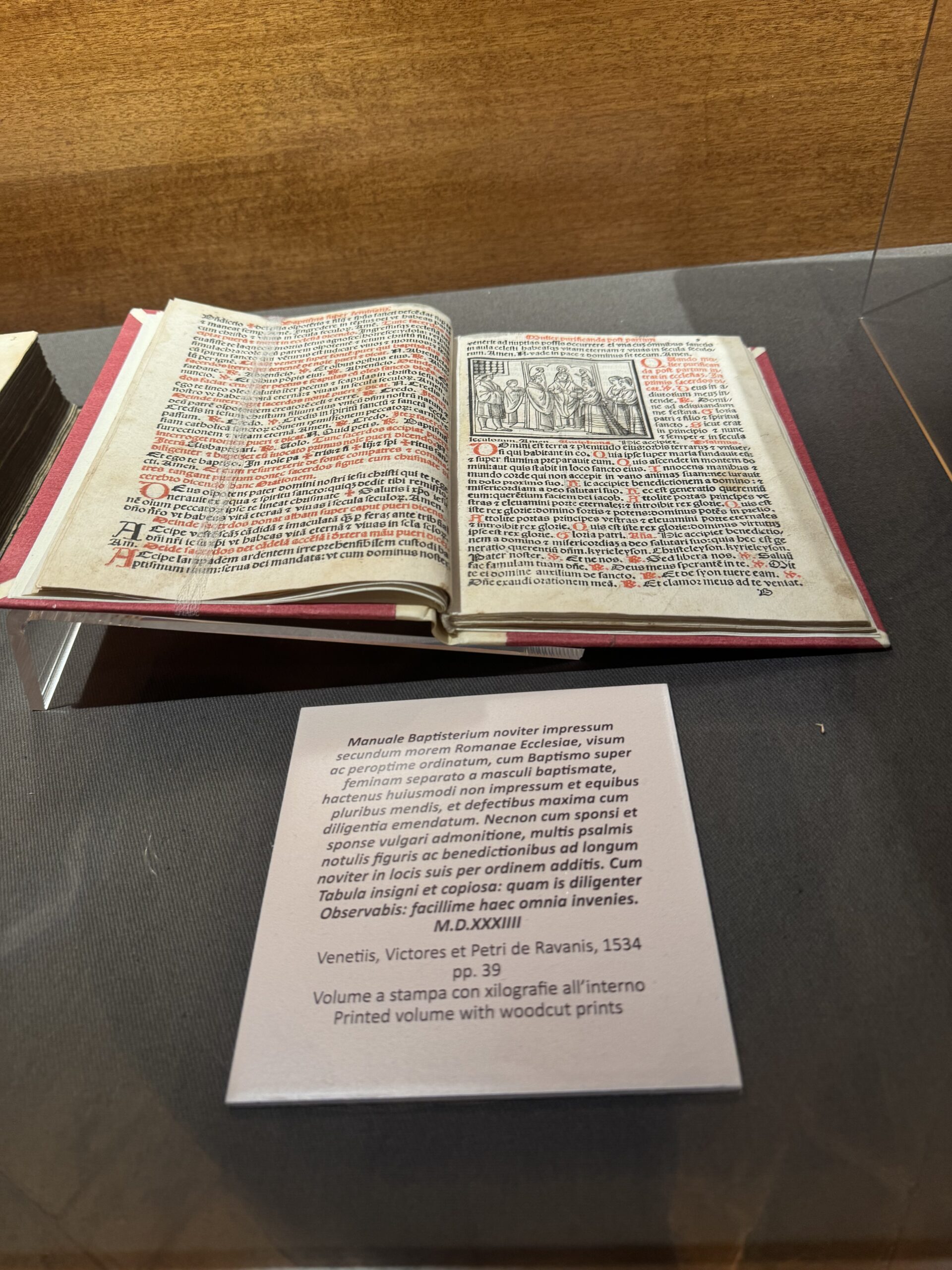
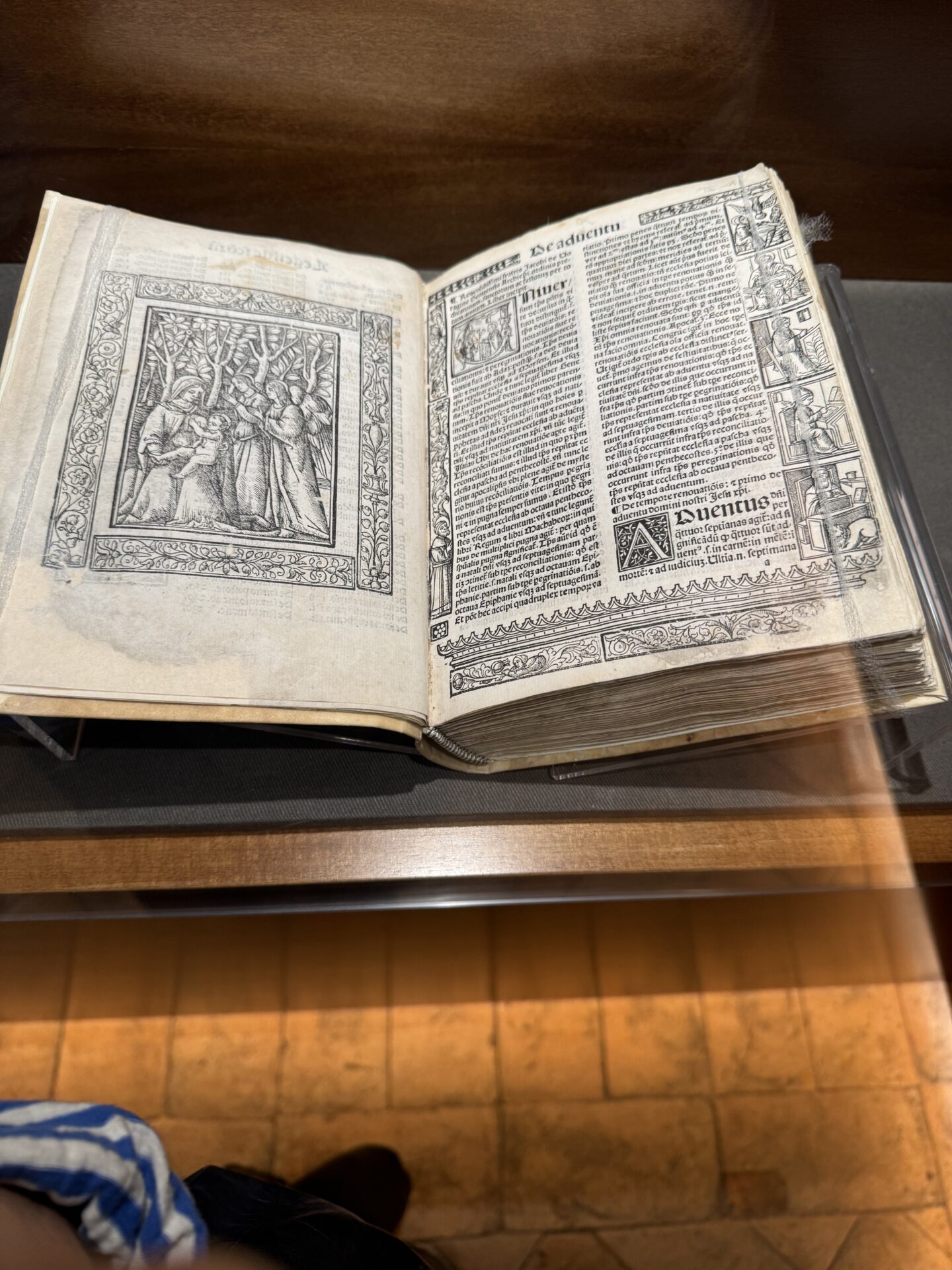
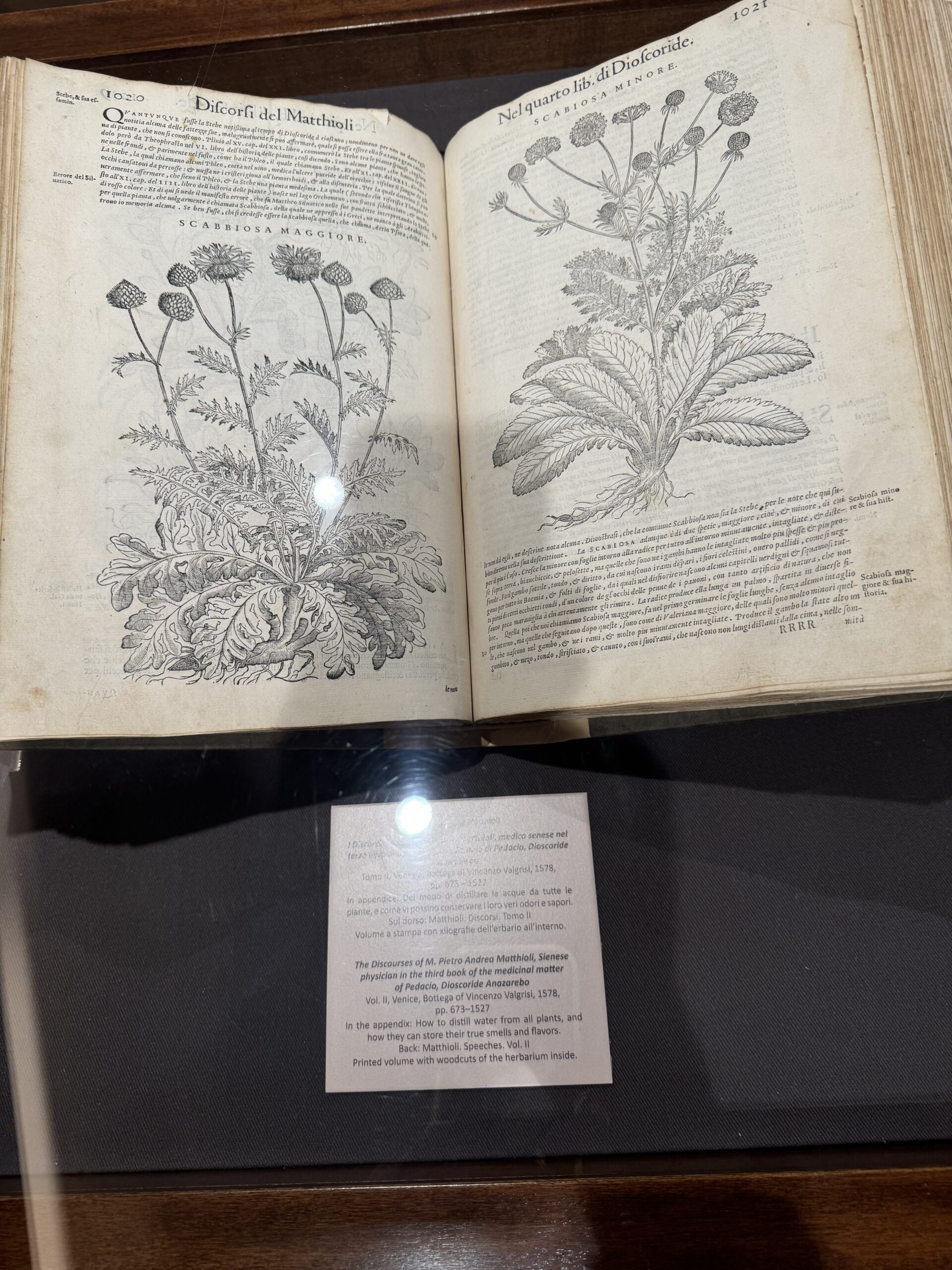
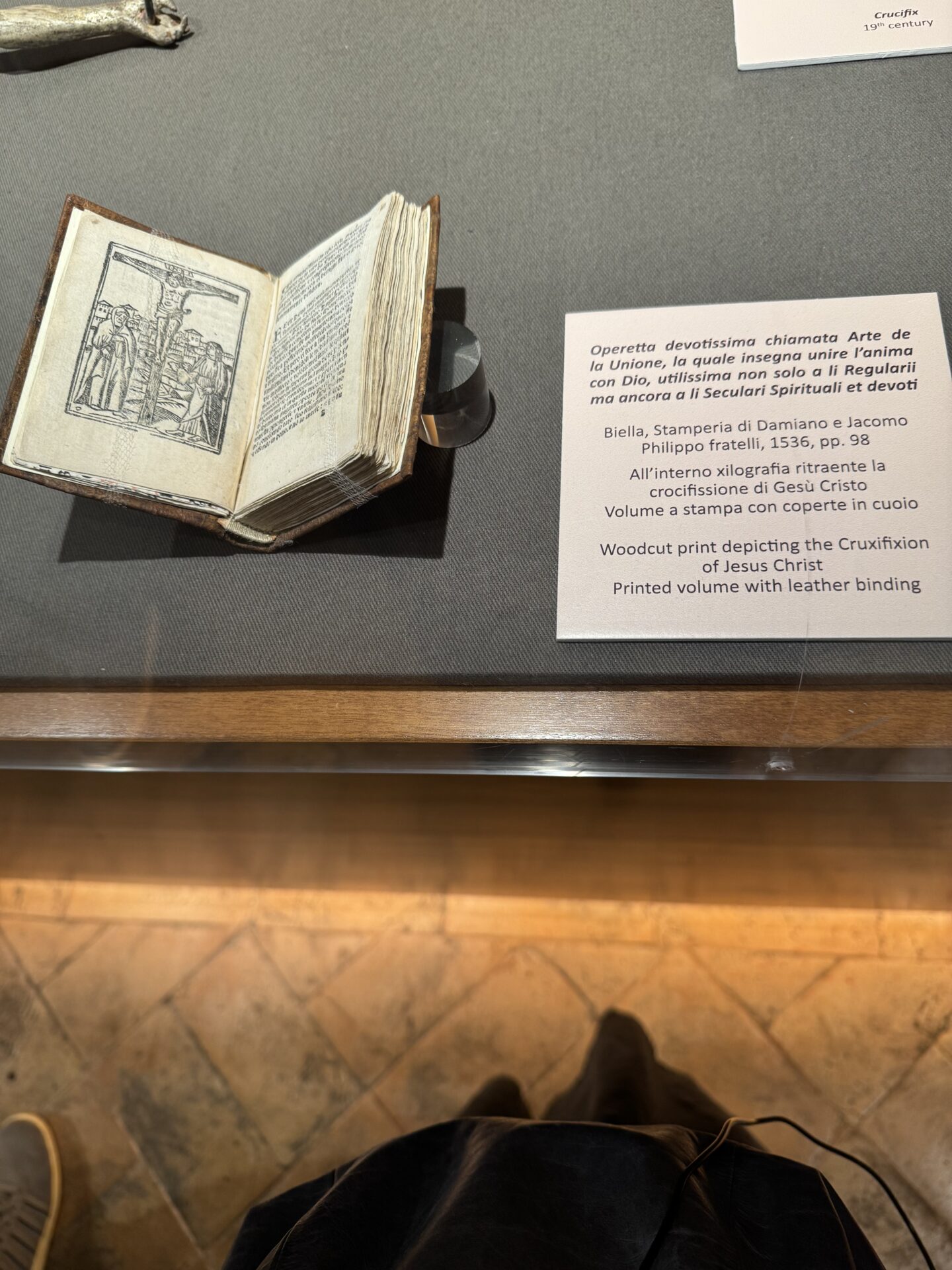
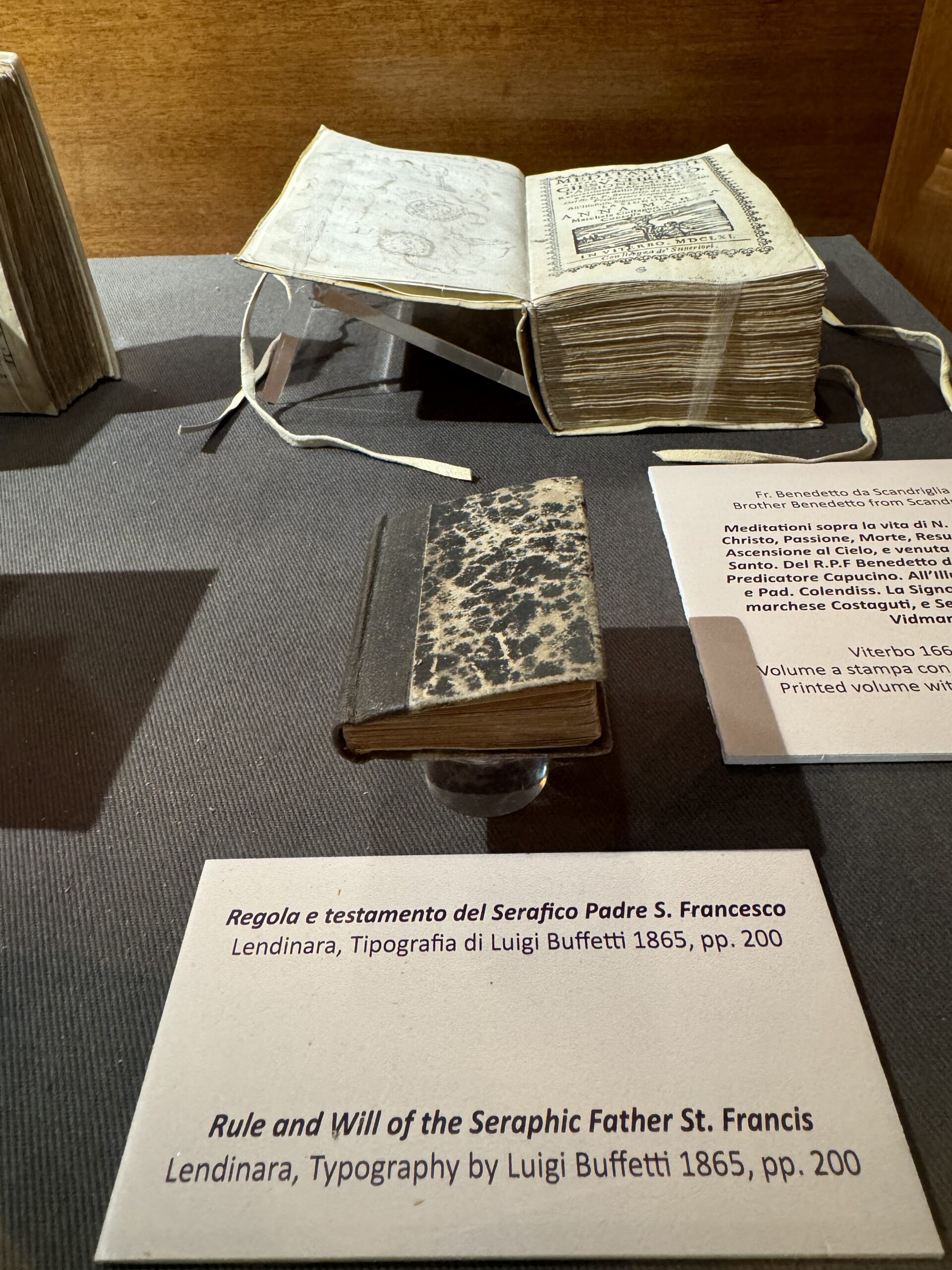
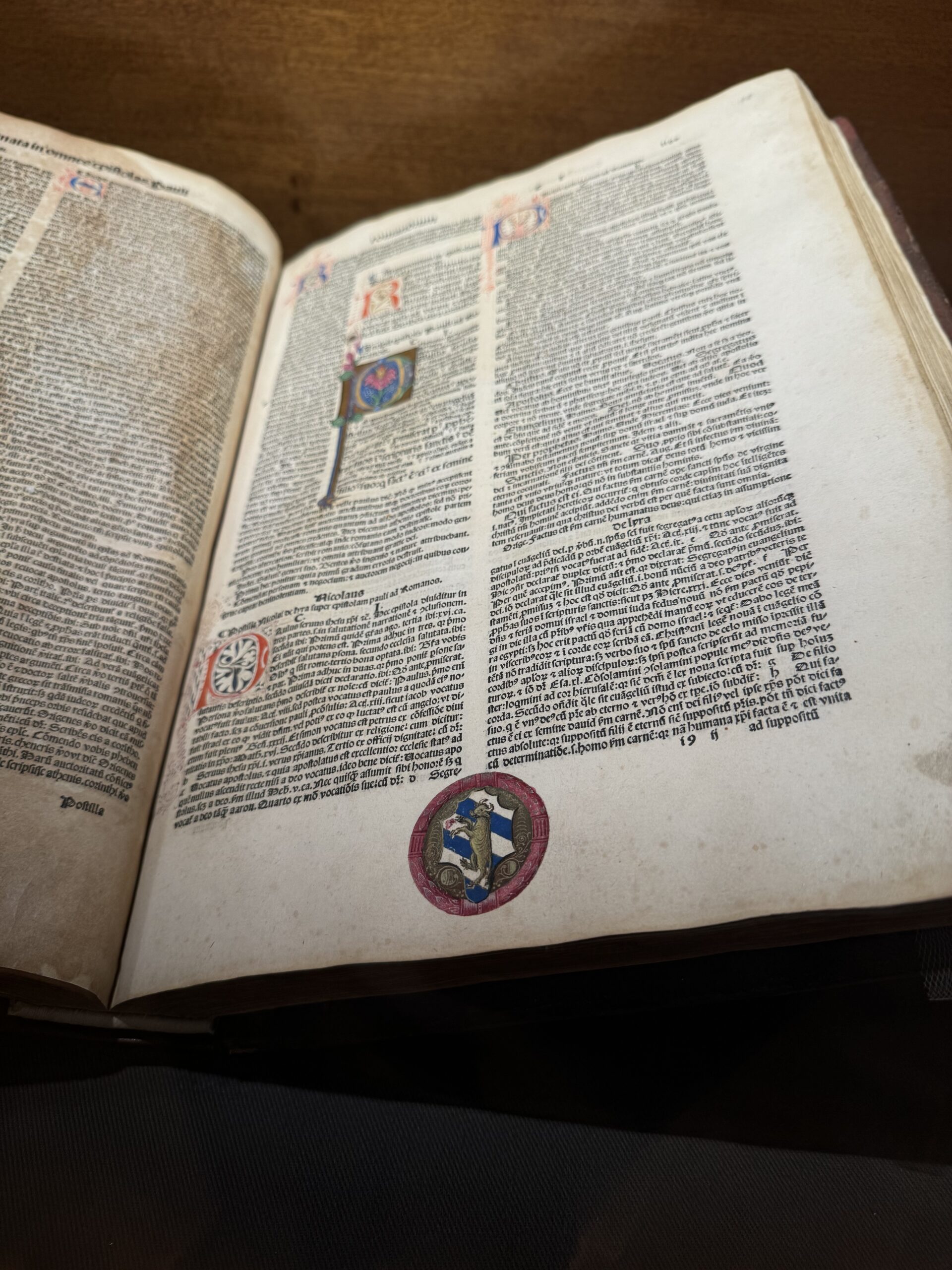
For this month’s reading-themed illustrations, I’ve chosen a series of photos I took last fall on a visit with my daughter and granddaughter to the Capuchin Chapel and Crypt in Rome. I’d been mildly curious about this site ever since reading about the art made using the bones of deceased monks, but never quite motivated enough. The granddaughter’s interest got us there, and honestly, we all found the visit worthwhile.
Should you ever go (I imagine some of you have been already), I highly recommend spending time with the thoughtfully curated part of the museum preceding the crypt. The religious/spiritual context yields a better understanding of the metaphysics that would have made the decorative bone art a comforting celebration of beloved “departed” rather than a disturbing and macabre aberration.
And now that I’ve mentioned the macabre, I’ll move on to my list of books, some of which definitely strike that note occasionally.
32. Il Commissario Bordelli. Marco Vichi. Read in Italian. Mystery/Crime. Police Procedural; Historical Fiction; Commissario Bordelli series; Mid-century Italy (Florence). Available in English translation (by Stephen Sartarelli) as Death in August.
First of all, a clever plot — a surprise solution.
And a difficult passage to read about Bordelli’s childhood “initiation” (assault) into sex by a young maid of the family — he’s too young to parse the confusion he feels and still remembers, and it’s clear that this has left an imprint that affects all his subsequent relationships with women. (Having already read the second in the series — which I wrote about in this post, I’ve seen some evidence of these effects).
So yes, this series concerns itself with psychology. It also explores social conditions (Bordelli’s sympathies with the poor, the marginalized) and with 20th-century Italian history and culture. Bordelli struggles with PTSD (not yet identified as such at that time) from his experience fighting Nazis and then Italian fascists during the war. He also struggles with feeling relevant since his wartime service, in the maelstrom of 1950s-60s social change.
The novel also offers some great characters, often quirky. I love the way Bordelli gathers friends together from a variety of classes and occupations — especially the meals cooked for those friends by a sometime thief he’s befriended. There’s his good friend Rosa, a “retired” prostitute. Then at the restaurant where he eats most days, the chef’s stories. Amusing names: Dante, Diotivede (God sees you), and, of course, Bordelli (brothels, but also messes, chaos). . .
33. The Botanist. M.W. Craven. Mystery/Crime. Police procedural. Tilly and Poe series; locked-room mystery.
Another engaging/fun (but is it awful to say “fun” about a serial-murderer mystery?) featuring brilliant Tilly and often defiant, even truculent, non-rules-following Poe. This time, a couple of locked-room mysteries to challenge the duo — and one of those involves Poe’s favourite pathologist (who Tilly keeps saying has designs on him, and Tilly does her best to encourage the matchmaking) . . . and the other involves dramatic and mysterious murders of disagreeable public personalities.
34. The Vegetarian. Han Kang. trans. from Korean to English by Deborah Smith. Booker Prize, 2016; Literary Fiction; Literature in Translation.
Apparently first published as three novellas, The Vegetarian features four characters in a small extended family; the linkage between them isn’t immediately clear, but gradually becomes evident. Compelling and beautiful prose keeps the reader’s attention even as we’re not sure what’s happening, nor, at first, what connects the chapters.
Powerful, disturbing dreams cause two characters in particular to abandon their normal routines to align themselves with their more primal selves in a strange mix of purity or innocence and sometimes shocking violence. Eerie, thought-provoking, beautifully written, and disturbing.
And since I’ve given the novel short shrift here, I’ll recommend the Booker Prize web page for it, where you’ll find a synopsis, a collection of review excerpts, and a reader’s guide.
35. The Refiner’s Fire. Donna Leon. Mystery/crime; police procedural; Commissario Brunetti series; armchair travel; set in Venice.
This latest Brunetti showcases Leon’s continuing ability — in her 80s! — to create intricate plots around audacious topics — accusations of corruption at the highest levels in police, politicians, armed forces — with credible, nuanced observations about humanity, with characters we come to love.
In this volume, the question of what constitutes heroism as well as how its near opposite — bullying – grows and is facilitated.
The plot centres around a hero who supposedly saved others, to his own damage, during an explosion at military HQ in Iraq decades earlier. The man’s son has been caught up in some “rumbles,” some public disorder, on the part of some youth gangs. And there’s an apparently peripheral issue of one of Brunetti’s colleagues whose collection of sculptures is vandalized and who himself is badly beaten. And an attempted extortion against another colleague, Commissario Claudia Griffoni. Suffice it to say the heroism might not be what it seemed.
I copied out, by hand in my Reading Journal, two passages that I especially liked in this book:
They had been taken here as students to see the book that recorded Vivaldi’s baptism in the church of San Giovanni, not that any of them knew what or who Vivaldi was or cared. It was only another drop in the depthless sea of culture in which this group of fifteen-year-old plankton was destined to float for the rest of their school years. He remembered how it used to overwhelm him. . . .He’d gone along with it all sort of paying attention . . . until one day alone in front of the Frari, he’d suddenly understood how gracefully the gigantic church rested on its foundations and how the empty “campo” in front and at its side only increased the beauty. And he was part of it. And it was part of him. (from Chapter 13, A Refiner’s Fire, Donna Leon
And also this short excerpt, which I love for the unusual syntax of the last sentence, which so beautifully emphasizes something foundational to a good marriage of some longstanding:
He drank it, leaned back, and rested his head on the back of the sofa. Paola did the same and took his hand. Sat these two, one another’s best. (last paragraph, Chapter 19, A Refiner’s Fire, Donna Leon, my bolding added for emphasis).
36. The Wizard of the Kremlin. Giuliano da Empoli. Trans. from French by Willard Wood. Literary fiction; political fiction; historical fiction; roman à clef; Russian history; contemporary history; literature in translation.
Fascinating, compelling, thought-provoking, and, ultimately, disturbing. An “as told to” fictional account by a somewhat apocryphal advisor to Putin from the president’s earliest entry into politics: an elusive character, this Vadim Baranov, dubbed “Wizard of the Kremlin” and the “new Rasputin.
Our unnamed narrator is a researcher of the early 20th-century writer Yevgeny Zamyatin — whose 1922 novel We speaks “directly to our era” as da Empoli’s narrator tells us. He goes on to tell us that Baranov contacts him over their shared interest in Zamyatin’s work and, eventually, the “Wizard of the Kremlin” begins to tell his story.
It’s a story that stretches back to his grandfather’s scorn for the Soviet regime, his father’s orthodoxy which is not, in the end, rewarded. And then Baranov’s understanding of his country/people’s history and culture and his ability to tap into contemporary social realities and to use technology — of media, particularly — to build a mythology, a grand narrative that Putin uses to build a Russia immune to the West’s influence.
The novel is clearly a roman à clef (See this Guardian article for that key), and as chilling as that makes it, there is also much that is very relevant to what’s happening with another so-called super power and another would-be emperor. I can only repeat myself here: “compelling, thought-provoking, and, ultimately, disturbing.”
37. Ink Ribbon Red. Alex Pavesi. Mystery/crime. Set in England; Country manor house.
I got this from the New Fiction shelf when I popped into the Central Branch of our public library system. Big juicy-looking hardover, fresh new glossy cover, I couldn’t resist.
And it’s fun and engaging if you read mysteries for tricky puzzle-solving. This book has that in spades: a group of friends gather for their supposedly wealthy friend’s 30th birthday. While at his sprawling family home in the country, they’re all asked — commanded, really — to play a game. Each must write a short story featuring one of them as murderer, another as victim. And these short stories are interspersed as chapters, but not marked as fictions within the fiction, between those chapters that constitute the main narrative. It’s up to readers to puzzle out which clues are legitimate, which crimes merely imagined by one of the guests.
I read mysteries with a strong investment in character development, and after a while (and it’s a big book, so a long while) I really didn’t care “whodunnit,” although I did finish. The plotting is, probably, quite clever. Certainly, the publisher’s copy features the phrase “wickedly plotted thriller,” but I wasn’t impressed.
That’s it for my June reading.
And now it’s your turn, if you’d like. What have you been reading lately? Or meaning to pick up off your TBR pile? What have you liked? disliked?
Oh, and I’m curious about whether you’re reading printed paper books or e-books. I’m away visiting friends for a few days and I downloaded a few books to my ereader. But I also brought along an Italian paperback that’s light enough to fit in my bag because I need to get it read before the library due date. And I keep noticing that the index finger of my right hand wants to tap on words I don’t know — the dictionaries built into my e-books have been so handy, and I guess they’ve worked their addictive way into my neural pathways! Do you do this as well?
Okay, I’m off now. Will be back to read any comments you care to leave.
xo,
f
p.s. (I also posted on Substack a couple of days ago. Here’s the link for that, in case you’re not subscribed:

Frances, I had to laugh at your comment about tapping on a word you didn’t know in your printed book! I read A LOT of books on my iPad that I generally borrow from the library via the Libby app; I rarely read a printed paper book. I just finished reading (and enjoying) Kills Well With Others by Deanna Rayburn, the followup to her earlier book Killers of a Certain Age. The four main characters in these books have spent their lives as deadly assassins, but now in their sixties… sort of a ‘Golden Girls meets James Bond’ thriller. The ebook was not available, so I checked the paper book out of the library. I twice caught myself trying to swipe the paper page with my index finger to get to the next page!
I also recently read The Names by Florence Knapp and thought it was exceptional.
Author
So I’m not the only one tapping on paper! 😂
I just looked up the Killers series as well as The Names — and they all look TBR-list-worthy to me. Thank you!
Hullo, France’s! What a treatto read your lovely, insightful book notes. You’ve given me new reading options.
A spate of memoirs caught me eye in the first half of the year, e.g., Barry Diller, Grayson Carter, Keith McNally, E. Jean Carroll (audiobook, read with her cackling 80-year-old gusto), Molly Jong-Fast, and the recently discovered notes Joan Didion wrote to her husband to summarize sessions with her psychiatrist, much of which was about their daughter Quintana (my least favorite of the lot).
In between, Anthony Horowitz’s new Marble Hall Murders (also an audiobook because Lesley Manville and Tim McMullan are brilliant); next up, the new Jess Walter.
Your ability to read novels in their original French or Italian makes me want to stand up and cheer—but I feel that way about everything you do.
Happy summer!
Author
A great list of memoirs for a broader perspective on American culture. And I’m looking forward to learning what you think of the Jess Walter road-trip novel.
As for reading in another language, I’m pleased that it’s becoming easier for me but still a long way to go. The process is fascinating, though, and I’m especially pleased with acquiring Italian in the years since my retirement — feels like a decent use of that time!
I feel like I should be loyal to paper books, but I’m a complete convert to the Kindle. I also love that I can tap a word and get it’s meaning. I love not needing a lamp to read by. I love the small light weight. I love that I can check out ebooks from the library.
Author
I fought against ebooks for the first five or ten years they were around, but then I had the excuse of needing to experience the way many of my students were reading. And I quickly got hooked on the convenience, especially for travel. And, as you say, not needing a lamp, being able to tuck a light device in a bag and have as many books tucked in there as Mary Poppins had curious objects in her trunk!
And I still buy and borrow print brooks regularly — so much easier to skim quickly looking for a passage and stick post-it notes with marginalia. . .
We can have both! 😉
I read ‘physical’ books. I was talking with a friend the other day about reading in another language and whether or when to stop and look up words. (I don’t very often. Sometimes I turn the corner of the page down for later. Often a clue comes into the text eventually.)
I’ve been getting a lot of summer reading recommendation lists on Substack so I decided to just let myself go and request anything that looked the least bit interesting from the library. So they’re coming at me from all directions. To date: The Lover (Marguerite Duras), The Rachel Incident (Caroline O’Donahue), Wait for Me! (Deborah Cavendish, a reread spurred on by the latest Mitford craze and less interesting now than it was the first time), The Husbands (Holly Gramazio) and am currently reading A Time for Gifts (Patrick Leigh Fermor and as I’m interesting in Europe in the first half of the 20th c I’m enjoying it very much). There were a few others I abandoned in early chapters so I can’t list them as ‘read’.
And! As I was looking back to prepare this I noted there are two books waiting at the library for me right now…The Go-Between (L P Hartley) and Eight White Nights (Andre Aciman).
My unread books list tells me I haven’t read A Refiner’s Fire but I had to look at the list to know that; even after having read your description. I love Venice and the Brunetti stories but with a few exceptions they all run together in my mind. I don’t think that’s bad…the structure and characters are so consistent and strong…but it makes me laugh as I’ve belatedly realized I was re-reading more than once…
Author
I don’t stop to look up too often — as you say, you can often figure out from context OR decide there’s enough to go on without knowing that word. Only one other students in my Italian class reads books in Italian — many are much more fluent conversationally than I am but find the reading daunting. I try telling them that if you can get through the first three or four chapters, you usually settle into the lexicon and syntax and the rest of the book is easier. And then the next book . . . Do you find the same is true for you?
Ha! I’ve got the same scary phenomenon coming at me right now regarding library requests — apparently 3 titles are on the shelf waiting for me and one more is in transit. I moved quickly to Pause the others for a couple of weeks. (I’m curious about Eight White Nights, having recently read a memoir by Aciman and really enjoyed it). Otherwise, most of your list is new to me (I read The Lover years ago, after having seen the film.
The only way I can deal with a series like Leon’s is by reading chronologically and doing a search of my reading journal and the blog. . .
I appreciate your reading posts here a lot,Frances
Il Comissario Bordelli sounds great for reading in italian
The Botanist-love Tilly and Poe and am a little concered because of the next one-The Final Vow (Final? Nooo….wondering if we could introduce Tilly to Tim Sullivan’s DC Cross ?)
The Vegetarian is on my list
D. Leon’s recent books are very dark and quite hopeless (well,one can only agree), The Refiner’s Fire especially.
Alex Pavesi’s Eight Detective arrived with a lot of praise-I didn’t like it a lot,so,after your review,will skip this next one
I’ve started June reading with Sabahattin Ali’s Madonna in a Fur Coat,one of only two Turkish authors to be included in Penguin Classics,a sad story about life and love of a young man from Turkey and a woman,Maria, during the 1920s in Berlin. It was published in 1943.,not “an another old-fashioned love story”, it has multiple layers
Next was Banu Mushtaq’s Heart Lamp,this year International Booker Prize winner,written in Kannada language,translated by Deepa Bhasthi. It is a collection of 12 stories about lives of Muslim women in southern India-it left me heart broken,an excellent book and an interesting author
So happy that there is a new Dervla McTiernan, The Unquiet Grave,love her Cormac Reilly books (and such a beautiful ballad sung by Joan Baez)
Ina Garten’s autobiography Be ready When the Luck Happens-such an interesting lady and her life
Maz Evans’ That’ll Teach Her-
Evans’ first mystery was funny and fresh,I’ve enjoyed it a lot,and this,second, very Janice Hallett-y style one,I loved as well
I read more e-books now. A couple of my friends and me still buy paper books and we exchange them regularly,like a little private library
Dottoressa
Author
Hmmmm, Tilly and DC Cross. . . . I wonder. . .
I agree that the recent Brunetti books are dark — so much because of the state of the world, corruption, environmental degradation, etc., but at least part of the darkness comes from Brunetti contemplating his age, for me at least. And, of course, from 72, he still seems young to me!
SO many good titles in your list. I think I need to copy it out and put it on my bulletin board!
I love sharing paper books — often with my daughters. Or I pass them on to friends. As well, there are many “little library” bookstands in the neighbourhoods around me with signs “Take a Book, Leave a Book.” I do like the possibility of sharing a book I’ve bought and to do that with an ebook means lending my Kobo and hoping the borrower reads quickly! Doesn’t happen often!
I love Donna Leon’s books and also find her later ones dark and hopeless. I wonder if she moved to Switzerland because she found it so true of life on Venice. Sad to think about.
Author
And, as I understand it, she has never allowed her books to be translated into Italian — easy to see why she might not want her neighbours to read them, although she clearly has much love and admiration for her adopted country and culture. Hadn’t heard that she’s moved to Switzerland. Interesting.
My summer reading list also included Donna Leon’s A Refiners Fire. I suppose her later books are darker, but isn’t our world. She was the favorite author of my late friend Eleanor. except perhaps for Agatha Christie, and also my son in laws mother. I gifted her a Leon book a few times. She was an inspiration to me, beautiful and vital until her death 3 yeas ago.
This is How You lose The Time War. Amal El-Mohter and Max Gladstone. Would not have read this book, blessedly short except it was for book club. And I think intended for the YA audience. A dystopian blend of science fiction and fantasy, neither of which I read in general. experimental to say the least. two” entities” write letter to each other across time and space. However, the discussion of it was interesting, maybe more than usual, so there is that.
Beautiful Ugly, Alice Feeney. thriller. The beloved wife of a writer goes missing on the eve of his receiving news that his latest book tips the New York Times best seller list. This leaves him so depressed he is unable to write. He is given the opportunity to spend a year living in a cottage on a remote and beautiful island. hoping to revive his creative skills and lessen his grief. The mood becomes more dark and ominous as he tries to have a life there, and honestly hard to put down. But the twist at the end was especially, for me, unsatisfactory.
Lessons in Chemistry, Bonnie Garmus. Fiction. This was a huge best seller few years ago which I finally got around to this summer. The plucky protagonist deals with male chauvinism in the 1960’s, the rising feminist movement, Told with wit and fun to read it makes it’s points which are relevant then as now.
From London with Love. Sarah Jio. Fiction. I think this was meant to be a feel good book, It was a book club selection. Though a good story and an easy read, the basic plot device, the separation of a mother and daughter over the years for me was not realistic given that you can find nearly anyone these days, it just was too contrived for me, and some of the other club members as well.
The Grafton Sisters Greatest Hits. Jennifer Weiner, popular fiction. Two sisters who had a brief but brilliant success as a rock band are now estranged. Weiner is considered a popular fiction writer but her principal characters are often those who alienated and different. In this case one of the sisters is probably in the autism spectrum and overweight. worth reading.
My Friends, Fredrik Backman, translated from Swedish by Neil Smith. My favorite book so far of the season, maybe the year. A troubled young woman, a budding and talented artist comes to realize what went into the creation of a painting she loves . A tale of of misfit 4 teen agers 25 years ago and what has happened to them in the ensuing years. themes of love, friendship, art of course, what is means to be human. If the sounds heavy handed Backman delas with their stories in often funny and unexpected ways.
What We Eat When We Eat Alone. Deborah Madison and Patrick McFarlin. not just a recipe book. As someone who has most of my meals solo this was a fun read.
The Ship of Brides. Jojo Moyes historical fiction. In 1946 655 young women , some still in their teens we sent from Australia to England to, meet with their husbands whom they had married, often quite spontaneously, during WWII . Based on facts, this follows 4 of these women as they make their journey on a repurposed aircraft carrier. Entertaining and often moving, a more substantial read in more ways than I was expecting. Also a book club selection.
Mans Search For Meaning, Viktor Frankl. A paperback I have had kept since college. I did a paper on Frankl all those years ago. An Austrian psychotherapist, a younger but contemporary of Freud. I heard him speak so many years at a psychological convention. his account of his years in Nazi concentration camps including Auschwitz. I suppose this particular woman’s search for meaning in this current world.
And finally we come to The Thursday Murder Club. Richard Osman. I know I had a hard time with a later book in the series but starting in the beginning novel hanged my opinion. I got a better understand of the characters and appreciate Osman’s observations on aging. In Fact I am now reading he second in the series. That’s it!
Author
What a rich list, Darby! I haven’t read anything yet by Fredrik Backman, and if it’s your favourite book of the year, it’s worth noting.
And your turn to Victor Frankl (You heard him in person! How moving that must have been!). This phrase resonates: “this particular woman’s search for meaning in this current world.”
I am currently about half and half on the way I read books. I too have found myself touching a word in a conventional book to get a definition — it hasn’t yet worked for me! I find it fascinating that my reading expectations have adapted so quickly after decades of paper-only.
I really appreciate the convenience of a built-in dictionary when I’m reading in my second language (French). While I would seldom put down a book to look something up, I don’t mind a brief pause to touch a word on my screen. I can usually figure out the word by context, but the dictionary sometimes fine-tunes my understanding (or occasionally proves that my “context” interpretation was completely off base).
Thanks as always for your reading list, and to your commenters for their recommendations. These blog posts always result in more books being added to my library queue.
Author
Yes! This is me as well: “While I would seldom put down a book to look something up, I don’t mind a brief pause to touch a word on my screen. I can usually figure out the word by context, but the dictionary sometimes fine-tunes my understanding (or occasionally proves that my “context” interpretation was completely off base).”
And you’re very welcome! I’m glad that these posts serve your reading!They do mine as well.