Please note that I will likely be cancelling the email subscription service for this blog in the near future. So far I’ve been paying a monthly fee for this, on top of the fairly hefty fees I pay for website hosting, blog security, etc., and the blog is not monetized (although you are welcome to “Buy Me a Coffee,” should you choose ;-). I will continue to post these here for as long as I can afford the web-hosting fees (I really don’t want to lose access to my 17-year archive!), and you’ll be able to follow links to the book posts from my Substack account. I know some readers would prefer I’d simply kept the blog going as it was, but that’s simply not sustainable for me indefinitely. Hope you understand.
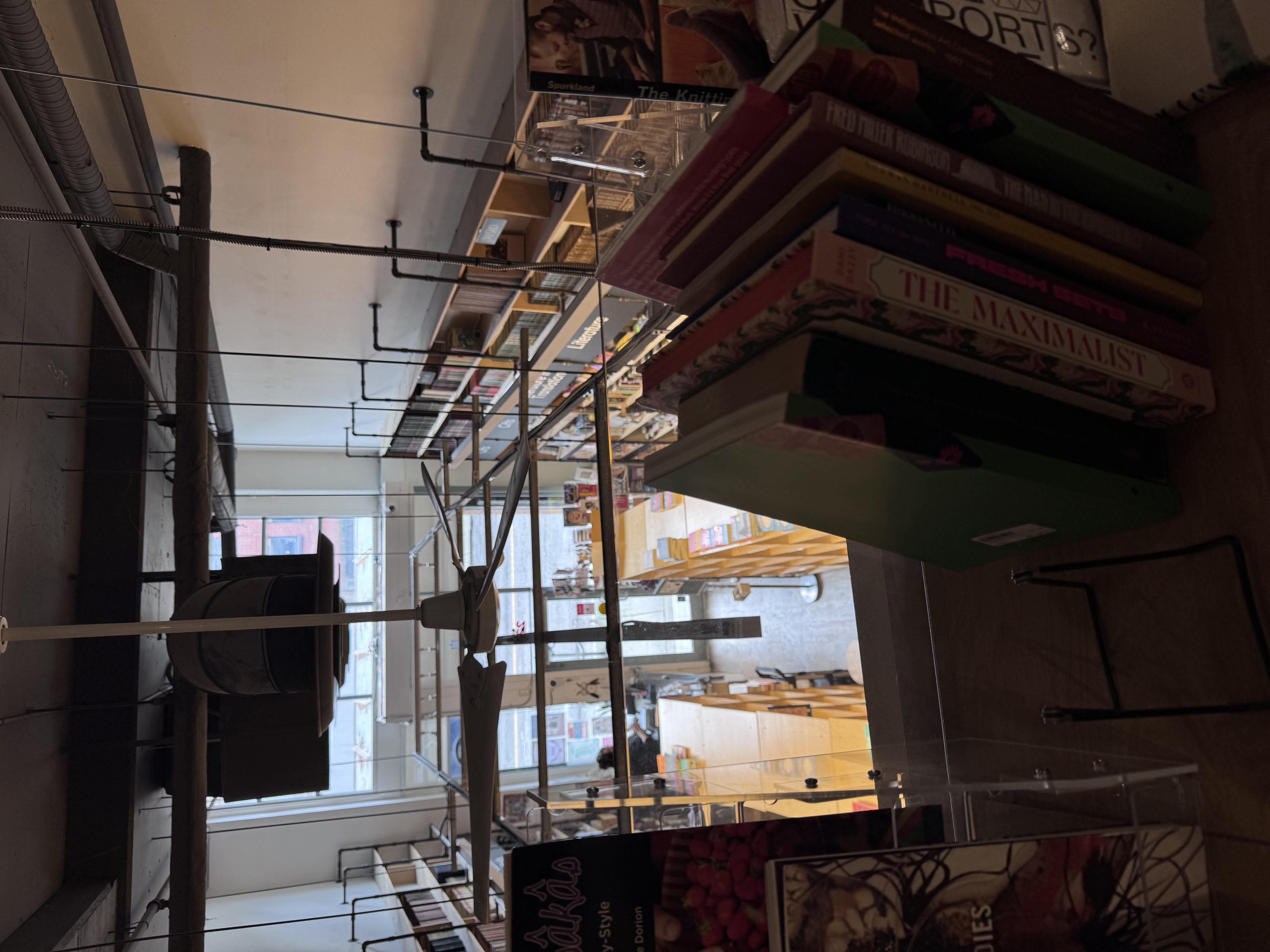
As I mentioned in my most recent Substack newsletter, I’ve been culling books again, and as many of you will know, it can be a painstaking (and time-stealing!) process. My method for letting go involves jotting down names and titles of each one I surrender — and then I have a box for those a second-hand bookshop might take (no ink markings at all, generally), and those that will go straight to a thrift shop or a Little Free Library.
You’ve probably guessed that I’m going to use this process as a partial excuse for why my February Books Read post is only appearing in the last week of March. Yep! I’d love to say I’ll do much better in March.
As usual, the numbering in this post comes from my annual handwritten reading journal, and the italicized text below is directly transcribed from that journal’s pages (once upon a time, I simply included photographs of those pages, but too many of you found my handwriting tough to decipher, especially in the photographed format). Notes to myself, that is, so that I can remember a book and remember my response to it, rather than any attempt at a more polished, edited review.
I’ve used regular font for any additions to my journal notes. As well, I’ve included links to any posts on my Instagram reading account (to which, by the way, I’m trying to post a bit more regularly — but also considering abandoning. We’ll see. . . )
9. A Marriage at Sea: A True Story of Love, Obsession and Shipwreck. Sophie Elmhirst. Creative non-fiction; Marriage; Sailing; Survival/Adventure; Biography.
Elmhirst tells the gripping story of Maurice and Marlyn Bailey, building her narrative from interviews, newspaper reports, the Baileys’ journals, and the best-selling book they wrote, 117 Days Adrift (1974), about their survival for 117 days in an inflatable raft in the Pacific Ocean after a whale sunk their yacht. Of course, their adventure and astonishing survival story is the book’s central focus, but Elmirst’s focus on the couple’s marriage makes it so much more.
Maurice’s childhood, his social awkwardness and isolation — which resulted in him storing up knowledge, becoming an adept climber and sailor. And somehow thus attracting confident outgoing Maralyn, who gave them the goal of acquiring a sailboat and setting sail on their adventure.
The details of preparation and then the tense, page-after-page recording of those days on a life raft were propulsive — but just as impressive was Elmhirst’s insistence on tracing the couple’s lives after the public had mostly forgotten them. She builds a poignant yet somehow still amusing image of Maurice as a widower, in cranky old age — with surprisingly tolerant, loyal, and generous friends.
This one was recommended to me by the sales clerk at Murchie’s, with whom I often chat about books while she measures out my tea order. And now I’ll pass along the recommendation to any readers gathered here. Warning to anyone who lives with you: There are likely to be passages read aloud (but you will find them fascinating as well!).
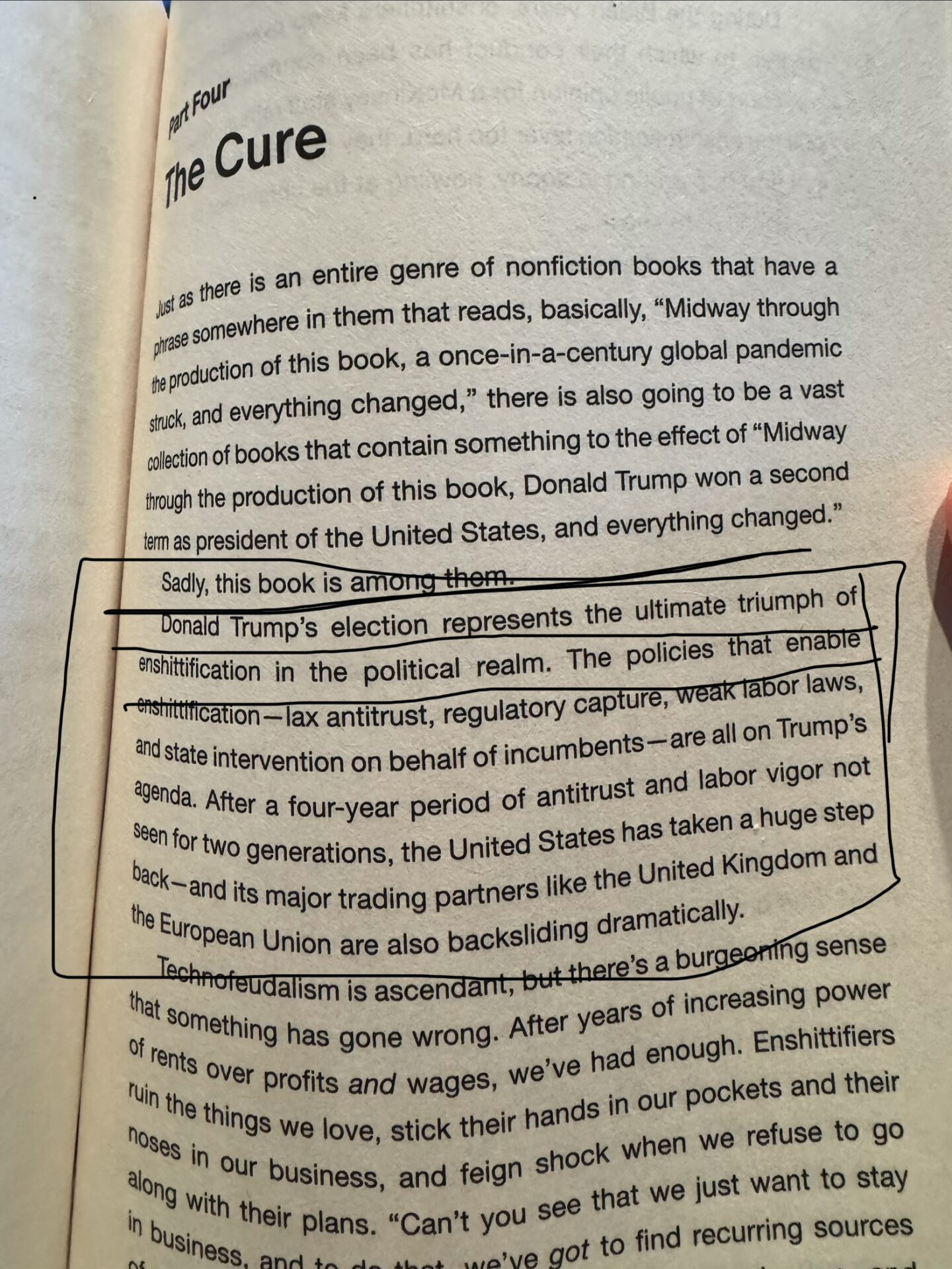
10. Enshittification: Why Everything Suddenly Got Worse and What to Do about It. Cory Doctorow. Non-fiction; Economics; Technology; Billionaire class; US Economic/Political history.
B. gave me this for Christmas, a few weeks after I’d heard a friend use the term as something she’d noted was gaining currency and which applied to so much of what we’ve all noticed happening in so many areas of our lives — ways in which so many of the benefits technology was supposedly bringing us have seemed to sour over the past decade or so. Doctorow, writing about the ways this use of technology / computerization / algorithms to make so many aspects of our lives “smarter,” is writing in the US, specifically about the way the politico-legal system has changed over the last half-century to allow monopolization by ever larger entities, thus drastically reducing consumer choice and, consequently, power.
It’s a fascinating, cogent analysis and, honestly, depressing as hell. But knowledge is power, so they say, and Doctorow ends his book with a substantive section offering hope through strategies we can all use to push for broader collective change via legislation. It’s Americans he’s exhorting to push for this legislative change, but he gives examples of similar strategies that other countries, Canada included, have tried or are trying. With varying success, yes, but he points out that some useful models are emerging. He also offers suggestions for what we can do as consumers; many of these suggestions work regardless of our individual citizenship.
So much of this book — published late last year — aligns with increasing attention to the corrosive role billionaires are playing in the current US political situation and validates the ongoing activism aimed at this aspect of the market. Important, recommended reading.
11. The Brutal Telling. Louise Penny. Mystery; Police Procedural; Chief Inspector Gamache/Three Pines Series; Eastern Townships, Quebec setting.
In this fifth book in the Gamache series, Penny has hit a darker, richer vein with a near-mythic framing. A cabin deep in the woods, in the dark of night where a harrowing story is being told — to whom? by whom? — of a terrible force, a combination of “chaos, the furies, Disease, Famine, Despair” threatening to destroy one last tiny, remaining village in an unnamed, far-off land in search of “the thing that was stolen.”
Oliver, a friendly and welcoming innkeeper whom we’ve come to know in earlier volumes, is transfixed by the story as he sits in that cabin with the Hermit. Then almost loses his way on the dark path back home after midnight.
And the next morning a body is found in Oliver’s inn and Gamache must once again confront an evil that has revealed itself in Three Pines, the idyllic village in the Eastern Townships.
A big book, one to sink onto. Also one that has me looking forward to the next volume (and wondering why I resisted the series for so long).
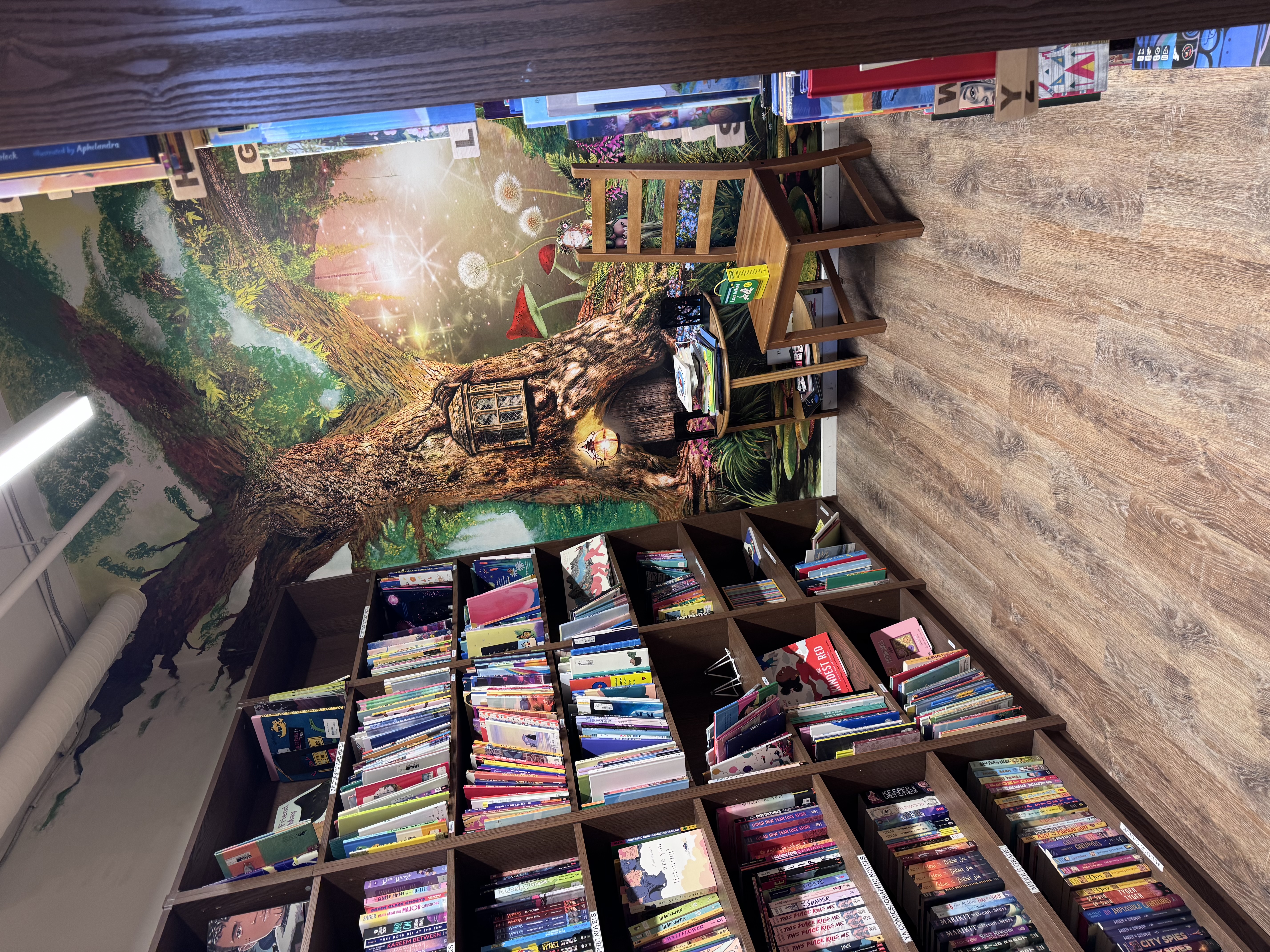
12. The Rooftoppers. Katherine Rundell. Children’s novel (8-12?); Historical (Victorian) fantasy; quest adventure; orphan; music; London; Paris.
I read a review of this Children’s/YA novel somewhere online and then recommended it to a granddaughter and her Mom. “Yeah, yeah, sounds good,” — but meanwhile I thought I’d check out the e-book and see if it’s as good as the review suggested. I loved the rich respite of well-written prose, a lyrical fantasy that takes readers to the rooftops of Paris where a young girl (raised by the wonderfully eccentric and understanding guardian — a fellow passenger on the shipwreck that left a baby alive, floating in a cello case) — searches for her mother, generally assumed to have perished in that wreck. The power of belief, the value of the improbable — as guardian Charles says, “You should never ignore a possible.”
I’d recommend for a precocious 8 or perhaps a 13 looking for a relaxing book through which they might enter a fantasy, an escape that nonetheless addresses life’s challenges, if obliquely. And also for you, if you’re wanting the simple pleasure of a good story in the company of a few likeable, non-corming characters. Put me in mind of some ofJess Kidd’s books for adults.
The Darkest Evening. Ann Cleeves. Mystery; Police Procedural; Vera Stanhope series; Northumberland setting.
What can I say in my defence? While moving between Il Barone Rampante and Louise Aronson’s Elderhood and also dipping in and out of a fascinating book about the cultural history of notebooks, I craved some escapist reading and, after all, I did need to catch up with Vera Stanhope. Only two more left for me in this series, and I’m curious to read them as this volume continues the trend of making Vera more vulnerable, more willing to move through that vulnerability to reach out socially in small ways and larger.
We find out that she has some extended family living by — in a manor house! True, the current owners are struggling with the upkeep of their estate, and Vera sees them as belonging to a much different class from hers, but we get a new perspective on her childhood, adolescence, and particularly on her determination as a young adult to move away from the harm those earlier years did to her.
She unbends considerably towards Holly, the young female detective whose need for approval grates on her, and she even envisions herself as a kind of great-aunt or godmother figure to the infant boy she rescues. (She still plays havoc with her protegé Joe’s family life though!). Recommended, but you really should start with the first in the series.
14. Il Barone Rampante. Italo Calvino. Read in Italian, but available in English as The Baron in the Trees (1959, translation by Archibald Colquhoun; 2019 translation by Ann Goldstein). Literary fiction; Historical fiction/fantasy; Eco-literature; Set in 18th-century Liguria; philosophical; comic; picaresque.
I found this SO much easier to read this time round (I posted about my first reading back in 2022. Apparently those additional 3+ years of Saturday-morning Italian class made a big difference! Yay! And I loved it even more second time ’round. . . sorry I can’t find/make time to say more about why. Maybe when I read it again, a few years from now 😉
15. Katabasis. R.F. Kuang. Fantasy; Literary fiction; Academic fantasy; Katabasis (Journey to the underworld); Romance.
I was “last week years old” when I learned that a katabasis is a genre recounting a journey to the underworld, and I didn’t learn this when reading this novel. I learned it when texting with a granddaughter who told me about a book she’s reading (the Italian sub-title is, roughly, Descent into Hell) and when I looked it up I learned that it was a c/katabasis. And that was when I retrospectively connected her reading — and this new-to-me genre term — to the book her mother had recommended to me months earlier.
Dante’s Inferno would be the most immediate example (unless there’s a whole swathe of horror films I’m not familiar with, actually a likely possibility). Kuang alludes to that classic and also to many others, from a wide survey of cultural / religious traditions. And she makes the Dante allusion very clear in her last lines: “Alice climbed up, Peter close behind her. And together they emerged, to rebehold the stars.“ (my emphasis: pop those words into your browser and you’ll find yourself pointed towards Dante’s lines across a variety of websites). Also, whoops, sorry about the spoiler!
Not for everyone, this is a 541-page novel (I’m very skeptical of this Guardian reviewer’s claim to have read it one sitting!) full of literary and cultural allusions and set in an alternative academic world, one in which two doctoral candidates in Magick are subject to the same hierarchical and bureaucratic struggles as what many of us experienced in our sojourn in those hallowed halls. I will admit to skimming, but also to revelling in the novel’s description of academic’s weird, sticky, perfidious classism and the power structures that make sexist behaviour and sexual exploitation inevitable. The damage done.
As well, while some might find Kuang’s display of erudition tedious, perhaps pretentious, I either geeked out recognizing some of her allusions or, more often, had fun looking them up. As well, I was fascinated by the landscape of the underworld she imagines, pulled from a variety of traditions rather than the Classical, Eurocentric one. And as my daughter (a big fan of Kuang) pointed out in a WhatsApp exchange with her Mom, “It’s so quotable,” and she shared a link she’d found with a collection of quotations from the novel: https://www.goodreads.com/work/quotes/209877287-katabasis
I’ve written about two of Kuang’s earlier books, Babel and Yellowface. Links will take you to those posts, if you’re interested.
That’s it for my February Reading. I hope you’ll find something here that you might want to add to your own TBR list — and I’m always happy to read your comments. What have you read lately that you’d recommend to other readers here? What were you less enthusiastic about? Thrown any books across the room lately? Do tell, if you can pull yourself away from whatever you’re reading at the moment.
xo,
f

I understand you’ll probably need to cancel the email subscription service for this blog. While I will miss access to your old posts, I’m comfortable with Substack. I do hope you work out a way to retain your access to the 17 years of wonderful writing here.
I’ve added A Marriage at Sea to my To be Read list. I read and enjoyed The Darkest Evening a few years ago during the pandemic. It’s my favourite of the Vera Stanhope novels that I’ve read. Your reviews of Enshittification and Katabasia were fascinating and thought provoking. While I’m tempted by both, and admire your ability to read them, I think the times are too dark for me to go there. I may, however, look into Doctorow’s suggestions for what consumers can do in these difficult times.
I’m currently reading The Space Between Our Stars by Australian broadcaster Indira Naidoo about the death by suicide of her beloved younger sister. It is devastatingly sad but also uplifting and, at times, even funny.
I’m also reading Her Sunburnt Country: the Extraordinary Literary Life of Dorothea Mackellar by Deborah Fitzgerald. Mackellar, a poet and novelist, wrote My Country, an iconic poem about Australia that everyone of my generation studied at school. It was still taught when my daughter was in primary school some 20 years ago and is probably still taught today. Mackellar, who was born in 1885 into a wealthy family, lived until 1968 and never married. The book was a gift and, though it’s early days, I’m enjoying it very much.
Author
Thanks for your understanding, Maria!
I think you’ll enjoy A Marriage at Sea . . . and I agree that we need to be careful about what we choose to read these days. Our moods require more caretaking than normal, it seems to me.
From your description of the memoir, Indira Naidoo manages to show readers how she processes profound loss — I think this is very important right now, reassurance that grief can sit alongside of other emotions, that humour, even joy, can break through.
Frances,I completely understand your dilemma about your digital platforms. I’m a paying subscriber on your Substack and can comment when in Vienna,but hopefully it will change here too (and,hopefully, I’ll be in Vienna often). Luckily,I can read posts and might use IG to comment there
I’ve read A. Cleeves and L. Penny’s books from your February list. I was very curious why both you and Sue didn’t read Penny’s books so far
It is interesting how books,authors and themes seem to be intertwined (at least in my case)
I’ve finished Lily King’s Heart the Lover,about the campus-set messy love triangle of two boys and a girl,later (after wives,husbands,children… in between) reunited in a hospital. Would like to read her Writers and Lovers as well
Jennie Godfrey’s The Barbecue at No.9, another little nostalgic gem of a book about Eighties,Live Aid Concert and a street full of residents with sincere stories and some secrets. Loved it
I’ve read A.A. Milne’s Winnie The Book again and enjoyed every sentence
If anyone else but young, successful and beautiful R.F. Kuang wanted to write a publishing industry critique,cancel culture and social media influence on authors,following intelectual theft done by June Hayward,white author who steels the manuscript from her deceased,highly productive and successful Asian colleague,beautiful Athena Liu,Yellowface would be completely different book. There are many controversies about the novel,but reading it and reading reviews about it….the book has a clever beginning and a lot of interesting traps to fall in . I’ve read your review again yesterday and agree with you
Serendipity or not,I’ve read biographies of two stand-up comics I like to watch-first one was Sarah Millican’s How To Be Champion and Zarna Garg’s This American Woman- A One In a Billion Memoir. How often there are sad things in the background…
I’m reading now (so it’ll be on my March or even April list :)) The Loneliness of Sonia and Sunny by Kiran Desai and can’t help but see some things through the lens of Garg’s autobiography
Tess Gerritsen’s The Spy Coast is a lovely thriller and I have the second one in the series on the waiting list already
Loreth Anne White’s The Unquiet Bones and The Swimmer were both ready to read at the same time,so I did it,prefer more the first one
Dottoressa
Author
I must get to Vienna one of these days, before I’m not managing Europe anymore! You, of course, have an excellent few reasons for being there!
Ok, I’m definitely going to get Heart the Lover (Kobo has it on for $2.99 right now, and I was hesitating, but why not, if K recommends 😉
And you’re inspiring me to read Winnie the Pooh again, and The House at Pooh Corner. Classics!
Agree completely about your take on R.F. Kuang’s youth and success and beauty and the credibility that profile lends Yellowface. She really is a force!
Almost bought a copy of The Loneliness of Sonia and Sunny — but I was walking a few kilometres home from the bookshop and it was heavy and I have a good stack of TBRs . . . but soon. (Interesting how Zarna Garg’s books served as a lens for some of it — I found the same thing of a memoir I read in March — will tell more later.
So many books in your list, and I’m sure I’d enjoy every one! But I have to choose carefully; my stacks are all toppling! 😉
Of course I’ve continued with War and Peace and In Search of Lost Time…this may become repetitive! I’ve been ‘influenced’ with respect to Proust and now in addition to Paintings in Proust (Eric Karpeles), I am the proud owner of À la Recherche de Marcel Proust (Stéphane Heuet) based on a bande dessinée and full of the most charming illustrations, am awaiting delivery of Lost Time: Lectures On Proust In A Soviet Prison Camp (Jozef Czapsk) AND! have had from the library Proust (Samuel Beckett) in which a very young Beckett shared with us, in about 75 pages, all we will ever need to know about ISoLT, Proust, and the human race in general. There are books everywhere and it is just the happiest of rabbit holes.
I follow wherever you go (social-media-wise lol) but I think what you are saying is the short-term change will be the discontinuation of the email notifications for posts here. So, a post will appear as usual but we will be advised via Instagram and/or Substack. Therefore saving the expense of the mass email…is that right?
(Also I have never warmed to Louise Penny’s books, although I admire her as a person. Maybe this is a Canadian thing and I need a bit more time!!!)
Author
First of all, interesting you’re another holdout on the Louise Penny, although I seem to have caved now. My own resistance had much to do with my crush on John Farrow’s Emile Cinq-Mars and somehow not wanting to allow another fictional Quebecois (Montréal-dwelling) detective in Montreal. I know, goofy, but. . .
I’m currently picturing Proust books — by him, about him, illustrations of him. . . scattered all over your home. I’m going to focus on the obscuring of all surface space so that I don’t yield to any siren call while my current shelf curation is happening. But I’ve just done some quick research and the Stephane Heuet illustrations may prove irresistible!!
Yes, you’ve summarized my explanation clearly and much more succinctly than I managed. That’s exactly right.
On the Louise Penny front, a dear work friend loved her books and pushed them with such vigor that I (always contrary) didn’t read them for years. Finally I tried the first few and liked them, and have continued to read them now and then in a half hearted way but have found some a bit over the top evil world conspiracy-wise. Silly me, now it looks like that’s what we have going on here south of the border (see “enshitification” for more details).
All your reading posts have me checking what I can put on hold at my local library, this time for the YA/Children’s author, which sounds right up my alley at the moment.
Thanks, as always,
Ceci
Author
Ha! I haven’t got to any international conspiracy-ish elements in the Gamache series, and until the last year or so, I’d be impatient with them as well. Things have changed somewhat, haven’t they?!! Ugh!
Sometimes YA/Children’s is just what we need (I love that Dottoressa’s comment mentions Winnie the Pooh — that’s a guaranteed pleasure, just waiting for us!)